Dergi Hakkında

ETKI: Journal of Literature, Theatre and Culture Studies examines how literary, theatrical and cultural practices relate to everyday life, history, structures of power, affect, ideology, economy, politics, knowledge, technology, and the environment.

ISSN: 2822-3950

Duyurular

Call for Papers – ETKİ: Journal of Literature, Theatre and Culture Studies (Volume 6, Issue 2, 2026)
2026-06-21

ETKİ Journal is currently accepting submissions for its upcoming Volume 6 Issue 2 (2026). We welcome original research articles, reviews, and creative works that engage with the intersections of literature, theatre, and cultural studies.
Submission Deadline: November 15, 2026
All manuscripts should follow the journal’s author guidelines and be submitted via the online system.

All manuscript submissions must include a similarity report (e.g., Turnitin, iThenticate). Manuscripts with a similarity index exceeding 18% will not be considered for review.

Hakkında daha fazla bilgi edinin Call for Papers – ETKİ: Journal of Literature, Theatre and Culture Studies (Volume 6, Issue 2, 2026)

Yeni Sayı

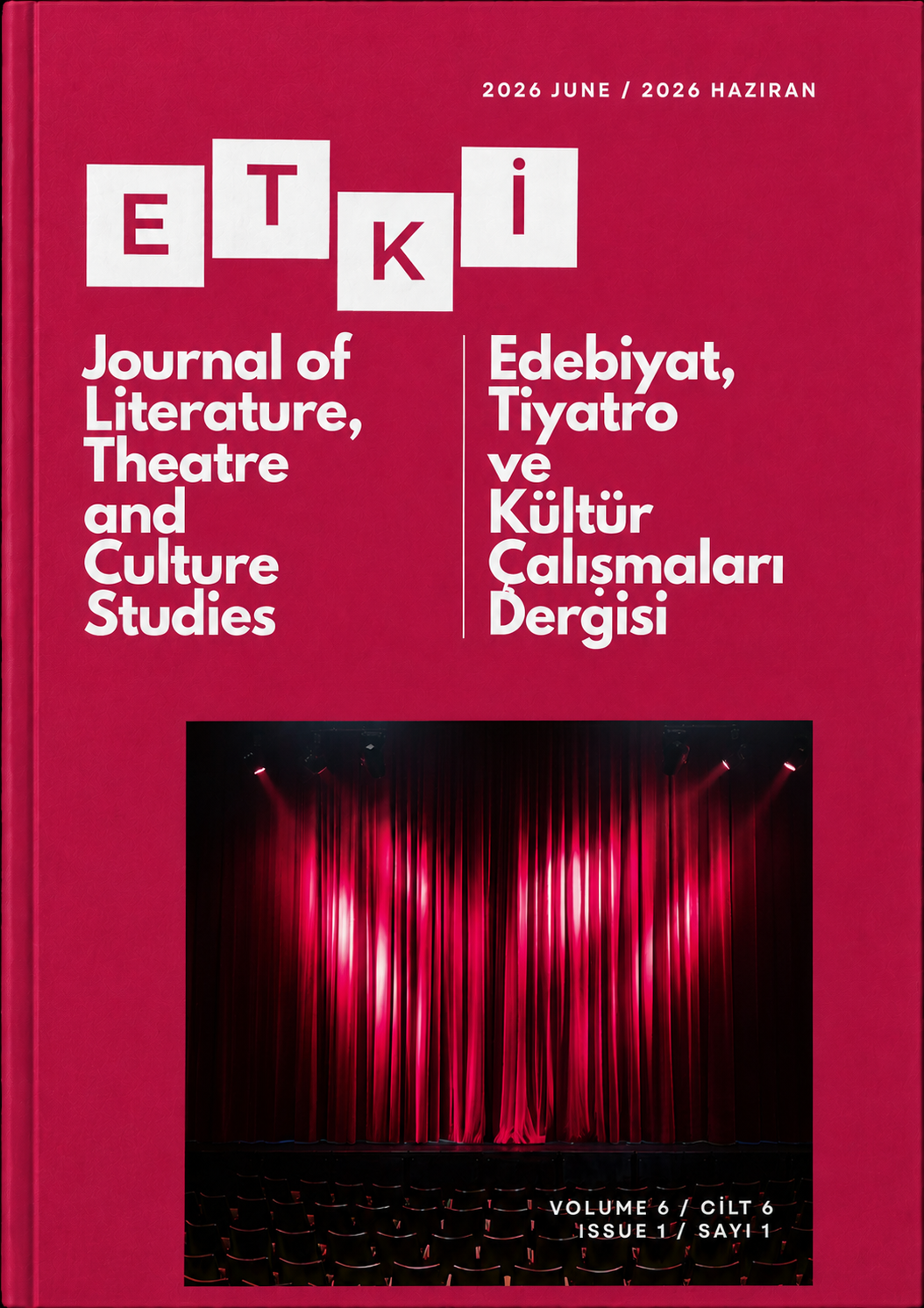
Cilt 6 Sayı 1 (2026): Issue 6.1
					Cilt 6 Sayı 1 (2026): Issue 6.1 Gör

ETKI Journal, Volume 6, Issue 1 brings together studies that critically engage with questions of realism, representation, ideology, and cultural discourse in literature and theatre. Through historical investigation and close textual analysis, the contributions in this issue examine how artistic forms shape and challenge our understanding of reality, identity, and power.

The issue opens with “Realism in British Theatre: Early Beginnings to Kitchen Sink Realism” by Aditi Sharma, which traces the development of realism in British theatre from its classical antecedents to the emergence of Kitchen Sink Drama. Situating theatrical realism within broader social, political, and philosophical transformations, the article explores how realist forms evolved to represent changing conceptions of everyday life and social experience.

In “The Everyday of Regime: The Prophet Song and the Episteme of the Universal”, Malini Murali offers a critical reading of Paul Lynch’s novel Prophet Song. The article examines the novel’s universalist framework and argues that, despite its humanitarian concerns, it risks reproducing Eurocentric representations of the Other. Through close textual analysis, the study interrogates the relationship between universality, ideology, and contemporary narratives of displacement and conflict.

Together, the contributions in this issue demonstrate the continuing relevance of literary and theatrical studies in examining the cultural, political, and ideological structures that shape both historical and contemporary understandings of reality.

Yayınlanmış: 2026-06-15
Tüm Sayıları Göster